
Ngorongoro Conservation Area
Ngorongoro Crater – A World Within a Crater
Overview
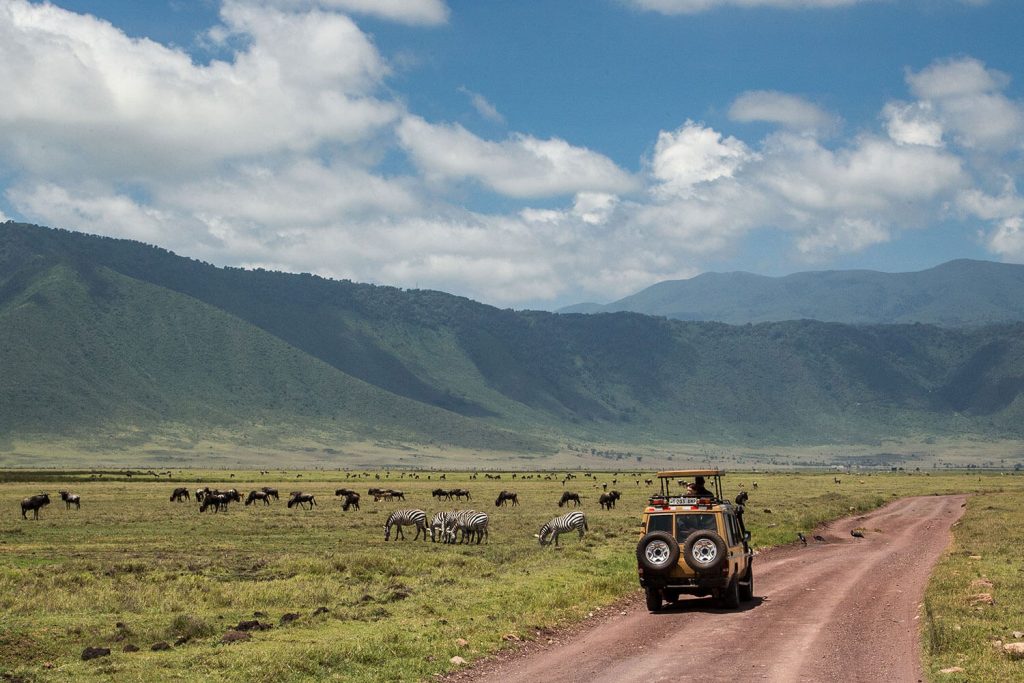
The Ngorongoro Conservation Area is one of Tanzania’s most extraordinary safari destinations, renowned for its breathtaking scenery, exceptional wildlife diversity, and deep cultural significance. At its center is the iconic Ngorongoro Crater—the world’s largest intact volcanic caldera—offering outstanding, year-round game viewing within a naturally enclosed ecosystem.
Designated a UNESCO World Heritage Site, the area features a remarkable blend of misty highland forests, sweeping grasslands, seasonal lakes, and important archaeological sites. As part of the greater Serengeti ecosystem, Ngorongoro supports an incredibly dense population of wildlife, including the Big Five, making it an essential highlight of any Tanzanian safari.
Key Highlights
Ngorongoro Crater
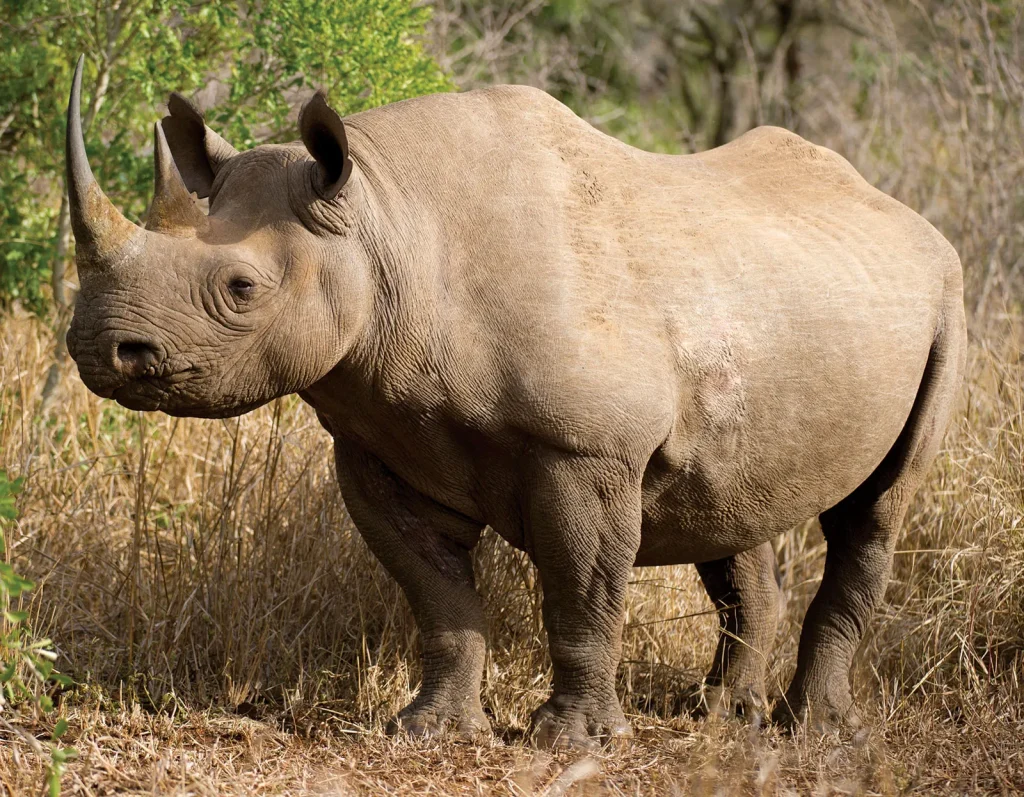
The crater floor hosts one of Africa’s highest concentrations of wildlife, including lions, elephants, buffalo, leopards, and the endangered black rhino. Its natural enclosure provides reliable game viewing throughout the year.
Olduvai Gorge
Often referred to as the “Cradle of Mankind,” this important archaeological site offers insight into early human history through fossil discoveries and geological formations.
Lake Magadi
A seasonal soda lake located on the crater floor, attracting flamingos and other water birds, creating striking visual contrasts against the surrounding grasslands.
Lerai Forest
A lush area of yellow fever trees that provides shade and habitat for elephants and other wildlife, adding ecological diversity to the crater environment.
Activities
Game Drives
Explore the crater floor and surrounding plains on guided game drives led by professional safari guides, offering close encounters with wildlife in spectacular scenery.
Walking Safaris
Guided walking experiences allow guests to discover the smaller details of the ecosystem while learning about flora, fauna, and traditional land use.
Birdwatching
With over 500 bird species recorded, Ngorongoro is ideal for bird enthusiasts, from resident species to migratory birds.
Cultural Experiences
Visits to Maasai communities provide meaningful cultural insights and an understanding of how local people maintain their traditions alongside wildlife conservation.
Photography Safaris
The dramatic crater walls, diverse habitats, and abundant wildlife make Ngorongoro a premier destination for wildlife and landscape photography.
Best Time to Visit
The Ngorongoro Conservation Area can be visited throughout the year, with each season offering distinct advantages.
June to October (Dry Season):
The most popular time to visit, featuring excellent wildlife visibility as animals gather around permanent water sources. Cooler temperatures and minimal rainfall create ideal safari conditions.November to May (Green Season):
The landscape becomes lush and scenic, with fewer visitors and outstanding birdlife. This period is particularly rewarding for photography and birdwatching.January to February:
A transitional period between rains, offering clear skies, active predators, and pleasant conditions for game drives.
Why Visit this Park?
Ngorongoro offers a rare combination of natural beauty, exceptional wildlife density, and cultural significance. Whether you are seeking classic game drives, scenic landscapes, or cultural immersion, this iconic destination delivers an unforgettable safari experience in the heart of Tanzania.
Have Inquiries? Our Team is Ready to Assist.
Our dedicated team is ready to assist at any time. Feel free to contact us—we’re here to help you craft the perfect safari experience.