Nyerere National Park(Selous)
Africa’s Last Great Wilderness.
Overview
Selous Game Reserve, now forming the core of Nyerere National Park, is one of Africa’s largest protected wilderness areas and a UNESCO World Heritage Site. Located in southern Tanzania, Selous is celebrated for its vast, unspoiled landscapes, rich biodiversity, and sense of remoteness that sets it apart from the northern safari circuit.
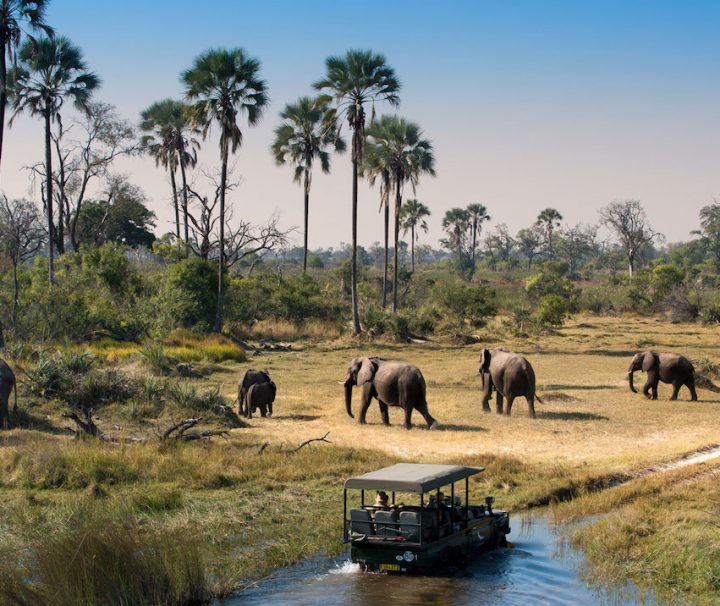
The reserve is defined by the mighty Rufiji River, which supports a thriving ecosystem and allows for unique safari experiences such as boat safaris alongside traditional game drives and walking safaris. Selous is home to large populations of elephants, buffalo, hippos, crocodiles, lions, leopards, and the endangered African wild dog.
With diverse habitats ranging from open plains and woodlands to wetlands and river channels, Selous offers exceptional wildlife viewing in a tranquil, uncrowded setting. It is an ideal destination for travelers seeking an authentic, off-the-beaten-path safari with varied activities and breathtaking natural scenery.
Key Highlights
Vast Untouched Wilderness – One of the largest protected wildlife areas in Africa, offering a truly remote and exclusive safari experience.
Rufiji River Ecosystem – The park’s lifeline, supporting abundant wildlife and enabling unique boat safaris.
Diverse Safari Activities – Enjoy game drives, walking safaris, and boat safaris all within one destination.
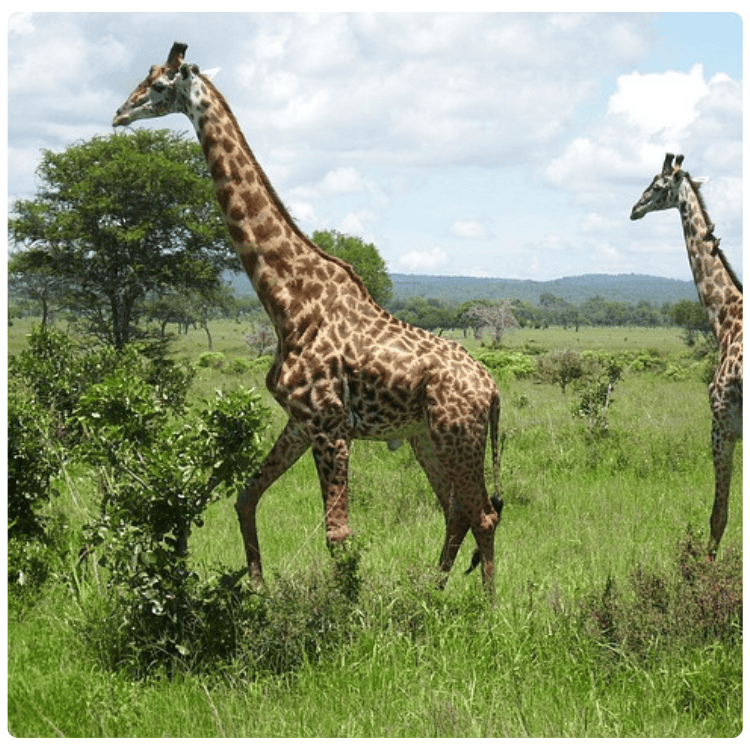
Rich Wildlife Populations – Home to elephants, buffalo, hippos, crocodiles, lions, leopards, and endangered African wild dogs.
Uncrowded Game Viewing – Fewer visitors compared to northern parks, ensuring a peaceful and intimate safari.
Activities
Game Drives – Spot elephants, lions, leopards, buffalo, and other wildlife across diverse landscapes.
Boat Safaris – Explore the Rufiji River to see hippos, crocodiles, and riverine birdlife.
Walking Safaris – Guided bush walks for an up-close wildlife and nature experience.
Birdwatching – Over 400 species, including fish eagles, kingfishers, and lilac-breasted rollers.
Photography Safaris – Capture dramatic wildlife, river scenes, and pristine wilderness.
Best Time to Visit
Dry Season (June–October) – Ideal for wildlife viewing
Animals gather around rivers and waterholes, making sightings of elephants, lions, and other wildlife easier. Roads are more accessible, and the landscape is easier to navigate.Green Season (November–March) – Best for birdwatching & lush scenery
The park becomes vibrant and green, migratory birds arrive, and scenery is at its most dramatic. Wildlife is more dispersed, but the experience is quieter and more intimate.April–May – Low season
Heavy rains may make some areas difficult to access, and many lodges close for maintenance.
Why Visit this Park?
Untouched Wilderness – One of Africa’s largest and most remote safari destinations, offering a true sense of wild Africa.
Unique River Safaris – Explore the Rufiji River by boat for rare perspectives on hippos, crocodiles, and birdlife.
Abundant Wildlife – Home to elephants, lions, leopards, buffalo, hippos, and the endangered African wild dog.
Diverse Activities – From game drives and walking safaris to boat trips and birdwatching, there’s something for every safari enthusiast.
Uncrowded Experience – Fewer visitors than northern parks, ensuring peaceful, intimate wildlife encounters.
Stunning Landscapes – Scenic river channels, wetlands, woodlands, and open plains provide breathtaking scenery and photography opportunities.
Have Inquiries? Our Team is Ready to Assist.
Our dedicated team is ready to assist at any time. Feel free to contact us—we’re here to help you craft the perfect safari experience.